Spooked : The most haunted properties in Suffolk & Essex
With the nights drawing in, and the season of Halloween upon us, we reveal tales of the homes, halls and churches said to be visited by the spirit world
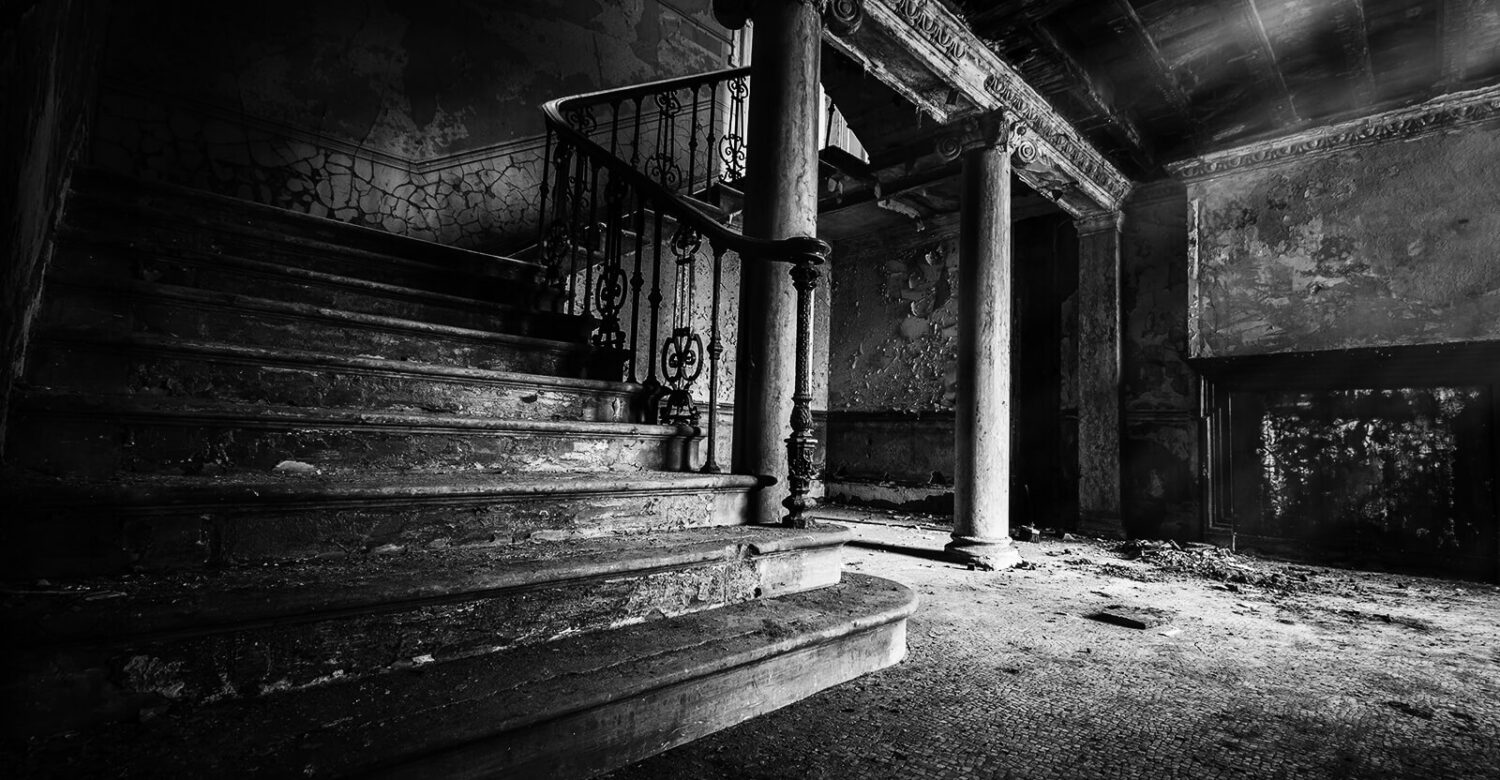
Anyone finding themselves alone in, or near to, an old building on a dark, cold and misty winter’s night might be forgiven for suddenly believing in the paranormal. As a region rich in folklore, of witch hunts and smugglers, demon dogs and troubled priests, it’s not surprising strange tales have emerged.
Essex is said to have the most haunted house in England. Borley, on the Suffolk/Essex border is an unassuming place, a blink-and-you’ll-miss-it settlement close to Long Melford. But though the apparently ghost-filled rectory was burnt down in 1939, the next door church and surrounds remain eerie with reports of organ music coming from inside the building, as well as strange tapping noises, footsteps and even a menacing cry, occasionally heard. Throw in stories of a phantom coach rattling along the road, driven by two headless horsemen, and you have a feast of ghoulish phenomenon. There’s even a film, ‘The Ghosts of Borley Rectory’ starring, among others, former Dr Who, Colin Baker, 80s popstar Toyah Willcox and Julian Sands.
A little further into Essex there are stories of ghosts at Hedingham Castle. The most noted spectre being Polly Miles (The Red Cloaked Witch) a late 18th century local woman branded a witch. After disappearing during a winter celebration she was later found drowned in a stream. Her death was treated as suicide so she was denied a Christian burial and interred at a local crossroads. There have since been sightings of her ghost wearing a red coat and also a dark shadow watching from the great keep.
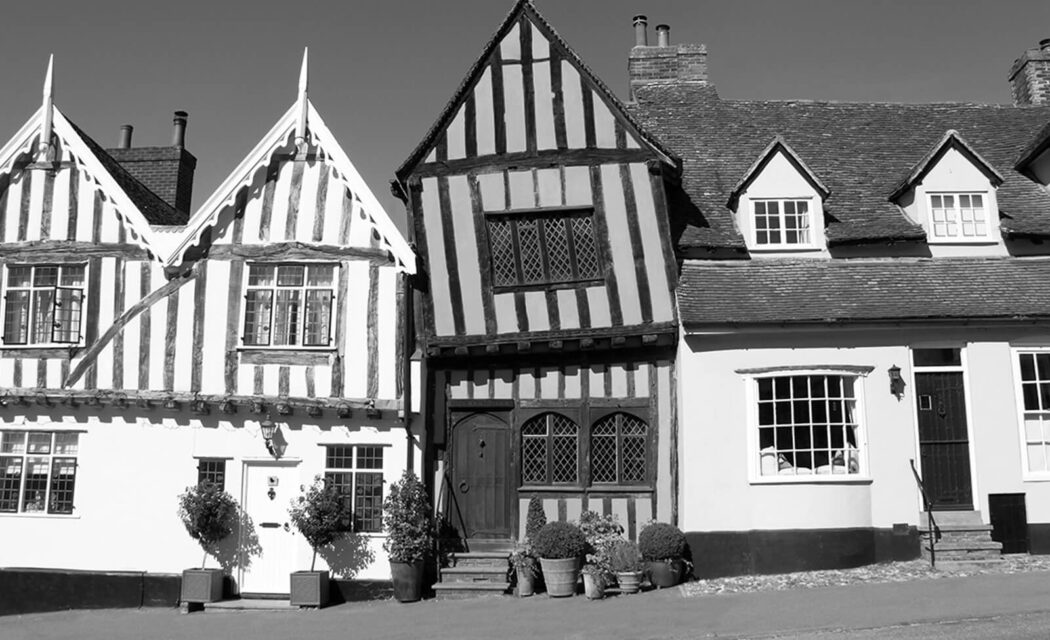
Just down the road from Borley there is another yesteryear landmark vying for the title of most haunted in East Anglia. The Crooked House in Lavenham’s High Street is said to be home to seven ghosts from across its 600-year history.
“Three Tudor Men are reported to roam the house’s Elizabethan Chamber, while a 17th century woman and child have been seen in the bedroom,” say the current owners Alex and Oli Khalil-Martin. “More modern spirits include Mrs Carter, a 20th century resident whose mysterious Russian incense frequently perfumes the house. And then there’s Deano, a phantom feline, who curls up at the end of the bed. A Crooked cat for The Crooked House – how fitting!”
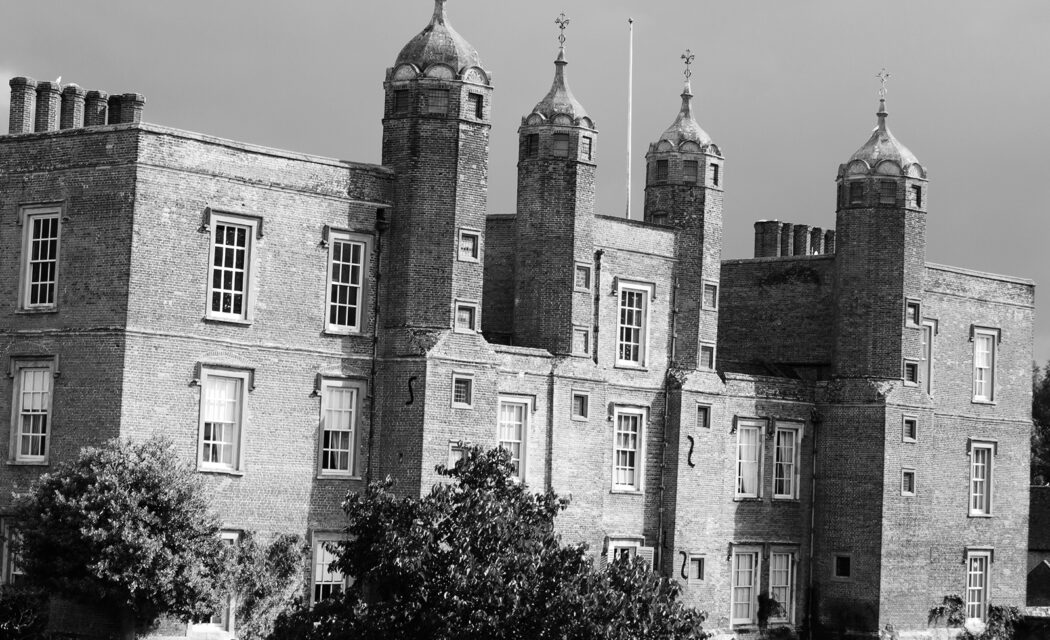
At nearby Long Melford, the 15th century Bull Hotel is said to be haunted by Richard Evered, who was murdered in the building during a political dispute in 1648. His injured body is said to have vanished from a hallway before help could arrive. Meanwhile stately Melford Hall was once a plague burial site so claims that a countess once jumped from an upper window to be drowned in the moat below can’t be fully dismissed in a place linked to tragedy and ancient folklore.
Paranormal writer and researcher Alan Murdie, who wrote the book ‘Haunted Bury St Edmunds’, relates a mysterious tale that centres on Rushbrooke Hall. “Late on 6th August 1942, ghost hunter Peter Underwood, then aged 18, waited up with three Suffolk regiment colleagues in the turret of the moated hall near Bury reputedly haunted by the ‘White Lady.”
“In Elizabethan times a former owner of the hall murdered his wife and threw her body in the moat; the night they had chosen was the anniversary of the visit of Queen Elizabeth I 1578. Underwood recalled, “Everything was quiet until just before 2am. when the almost total silence was suddenly shattered by the sound of a window opening violently…then slamming back against the wall.” An icy chill blew over them followed by a dull splash from the moat below. Looking down they saw ripples in the moat widening in the moonlight and felt an uncanny presence.”
Murdie says his own research has found accounts of a haunting earlier in the 1880s when mysterious footsteps and noises troubled the Vansittart family. Nothing was seen but doubtless the ‘White Lady’ was blamed. Fire damaged Rushbrooke Hall in 1961 leading to its demolition in 1973.
Joining the competition to be the most haunted house in Suffolk is the isolated Abbas Hall, near Great Cornard. Murdie says that going back to the 1940s and 1950s occupier Mrs Yvone Spalding and visitors sighted an old woman in long, flowing dark clothing. Doors in the hall opened by themselves, pets reacted to an invisible presence and mysterious sounds like rustling garments and harpsichord music were heard. Locals say hauntings continue in the surrounding woodland, once painted by Thomas Gainsborough.
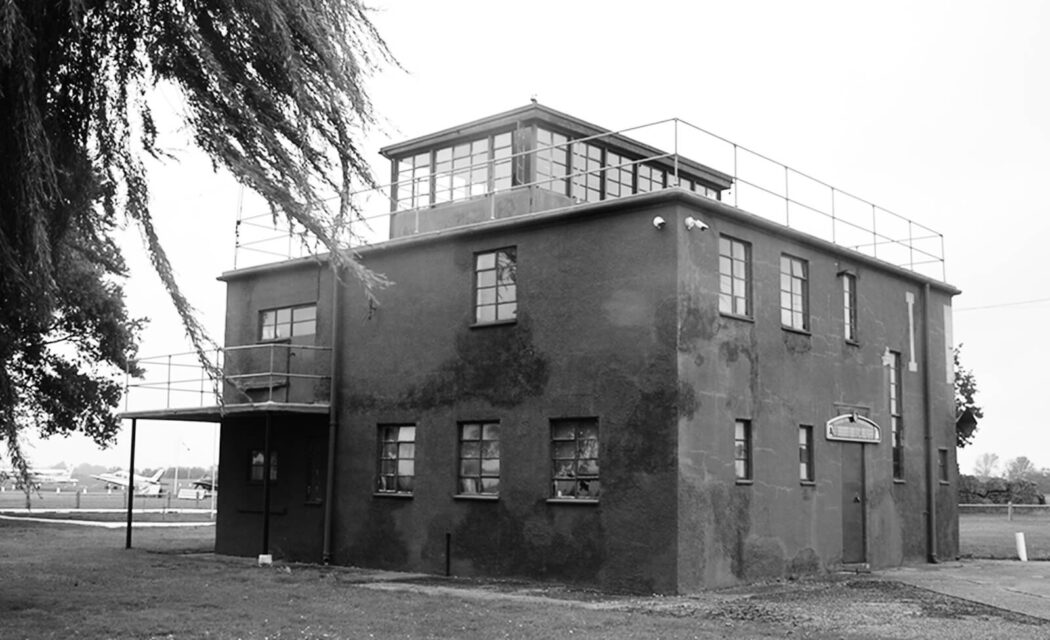
At nearby Rougham the former air base control tower is said to be haunted. With the lives of so many young men cut off in their prime during the Second World War it’s the kind of place that could be revisited by spirits. Murdie details sightings of spectral pilots, phantom engine noises and faint snatches of radio transmissions in ‘Haunted Bury St Edmunds’.
Switching to the Suffolk coast many will have heard the story of the lost town of Dunwich, Britain’s very own Atlantis. Great storms in 1286 and 1740 caused terrible devastation and, over time, a settlement of eight churches, two hospitals, shops and a windmill were lost to the sea. A once rich port handling fish, furs, timber, fine cloth and wine was drowned, its remains approximately a mile from today’s coastline and some 50 feet below the surface. A popular myth is that on some days you can hear church bells chiming below the waves.
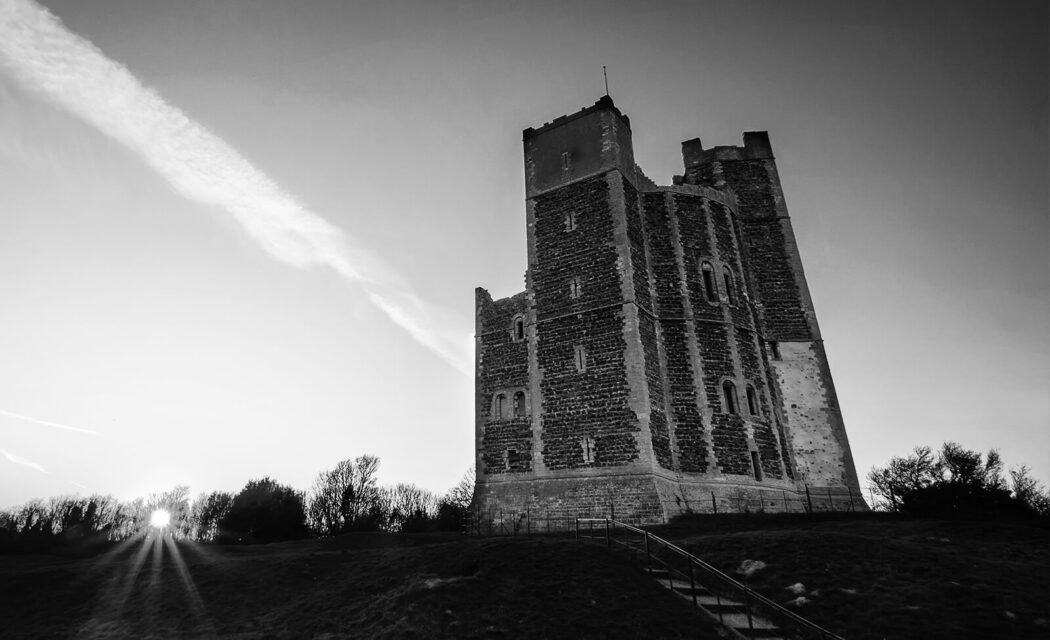
The clergy seem to repeatedly figure in paranormal occurrences. At Thetford Priory a ghostly monk-like character has been seen at a window and the footsteps of an old chaplain have been heard pacing a chapel connected to Orford Castle. Might he be searching for liquid refreshment? Many have reported the smell of ale in the castle, but it never lingers for long.
The Crooked House ghost stories are recounted in their festive Christmas Candlelit Tours, running in November and December and available to book now at crookedhouselavenham.com
To provide the best experiences, we use technologies like cookies to store and/or access device information. Consenting to these technologies will allow us to process data such as browsing behavior or unique IDs on this site. Not consenting or withdrawing consent, may adversely affect certain features and functions.
Functional Always active
The technical storage or access is strictly necessary for the legitimate purpose of enabling the use of a specific service explicitly requested by the subscriber or user, or for the sole purpose of carrying out the transmission of a communication over an electronic communications network.
Preferences
The technical storage or access is necessary for the legitimate purpose of storing preferences that are not requested by the subscriber or user.
Statistics
The technical storage or access that is used exclusively for statistical purposes.The technical storage or access that is used exclusively for anonymous statistical purposes. Without a subpoena, voluntary compliance on the part of your Internet Service Provider, or additional records from a third party, information stored or retrieved for this purpose alone cannot usually be used to identify you.
Marketing
The technical storage or access is required to create user profiles to send advertising, or to track the user on a website or across several websites for similar marketing purposes.